

Community, Care, and Connection: Why Community Enables Eating Disorder Recovery
Written by Evie Mills
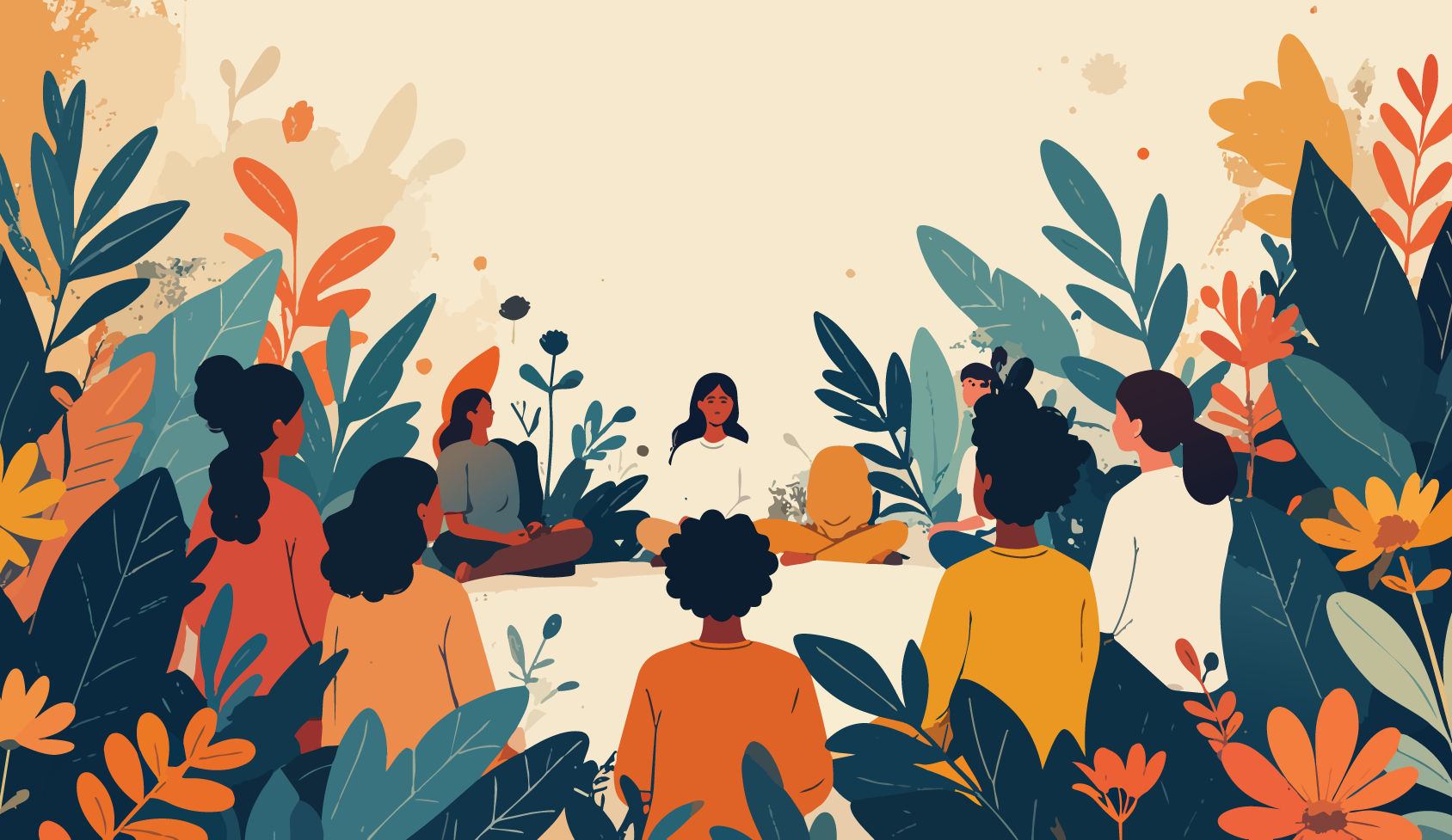
This Eating Disorder Awareness Week, community is at the core of global campaigning. If you’re living with an eating disorder, it may feel like a private, individual struggle, one that often thrives on secrecy and isolation. Togetherness and connection with others can make a huge difference, providing understanding and support to navigate the challenges that arise throughout the healing journey.
How community supports recovery
When we are alone, making choices that support recovery can feel overwhelming and impossible. Disordered behaviours are difficult to let go of, and can become deeply ingrained in part because Dopamine, a neurochemical associated with reward and motivation, is often released when an activity feels relieving or rewarding.
While this helps explain why taking steps towards recovery can feel so challenging, we can also use dopamine to our advantage: engaging in activities we enjoy within a supportive community can create alternative sources of reward. This might look like going to a dance or movement class that feels joyful rather than punishing, laughing with others during a comedy show, or spending time listening to music or making art in the presence of friends. Over time, this can give the brain new sources of reward, nurturing feelings of pride, connection, and possibility.
What does Community in recovery look like?
Community can take many different forms. Connecting with others who share lived experience can be particularly powerful, fostering peer relationships that allow you to feel seen, believed, and held. This may take place through support groups or courses, such as those offered at Eat Breathe Thrive, where you can build skills for recovery and practice them through gentle movement, mindfulness, and yoga. You may also find connection closer to home, reaching out to family and friends who can offer care, encouragement, and consistency. Together, these forms of support can provide motivation, reinforce recovery, and help make space for a fuller, more connected life once again.
Who you choose to connect with during recovery matters. Community can show up in many forms, and the most important thing is finding connections that feel safe, nourishing, and affirming. What feels helpful at one stage of your recovery may shift over time, and that is both natural and valid. By honouring your needs and allowing community to evolve alongside the recovery process, you can create space for new relationships that remain responsive, empowering, and deeply human.
Community provided at Eat Breathe Thrive
Community is at the heart of what we do at the Eat Breathe Thrive Foundation for Eating Disorders. Alongside our courses, we offer several free community groups for people at different stages of recovery. Whether you are taking the first steps to recovery or have been in recovery for a longer time, we have a wide range of opportunities for you to connect and find community.
Campfires: A free event focused on bringing people together to have conversations about the human experience. Each session has a theme, and you have an opportunity to connect in small groups to explore new ideas and perspectives on thought-provoking questions.
How we recover: A free, quarterly event joint with The Eating Disorder Foundation, bringing people at different stages of recovery together. This involves a panel discussion answering your most pressing questions about recovery and spreading the word that recovery IS possible.
Connect, Practice, Recover: A free event joint with ANAD, allowing you to share challenges, embody insights through a short yoga and meditation practice, and receive ideas and inspiration from those with first- hand experience of what it takes to recover.
Eating Disorders Awareness Week
Once a year, communities from around the world come together to create a dedicated time for activities and initiatives that raise awareness and offer support. An estimated 70 million people worldwide experience disordered eating, and one person dies every 52 minutes as a direct result of an eating disorder. If you’re struggling this week, please know you are not alone, and support is available.
While many of our courses are free to access, we rely on donations to continue offering them. This Eating Disorder Awareness Week, if you are in a position to give, your support helps us continue offering compassionate, community-based recovery spaces. Donate here.
Recovery doesn’t happen alone
Healing happens through connection, both to our own bodies and minds, and to one another. When we are supported in reconnecting with ourselves and held within compassionate relationships, recovery becomes more sustainable and less isolating. Community offers a space to be seen, to speak honestly, and to feel supported over time, reminding you that You don’t have to do this alone.